Trading Nifty, BankNifty and SENSEX
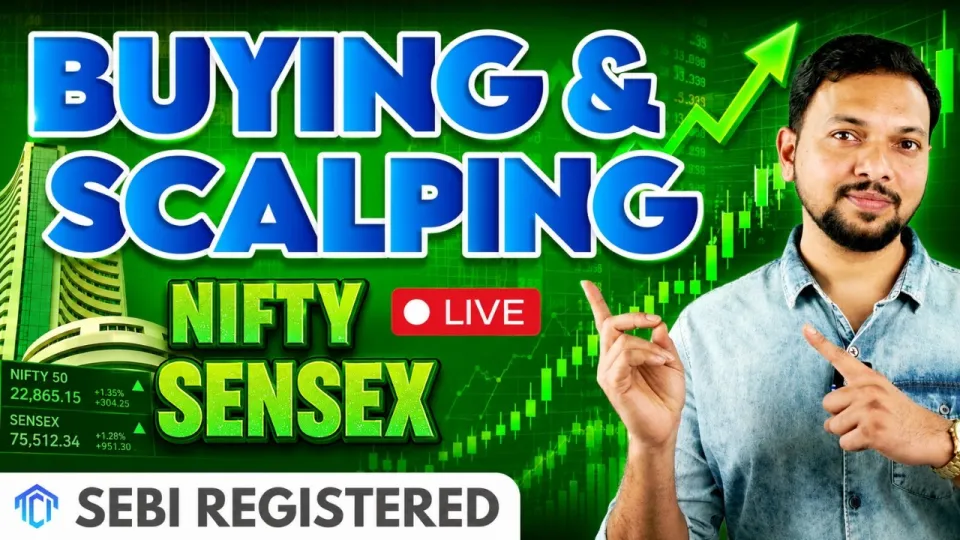
Video: LIVE TRADING Nifty BankNifty and SENSEX | Option Buying | 15 Oct #livetrading
Need articles like this for your video? They help promote it on YouTube and Google — order them in the Telegram bot @sat_sit_bot. Articles with your video embedded are written and posted by the bot itself — on popular topical sites (no ads). Try it free: 50 articles on us.
Trading Nifty, BankNifty and SENSEX with option buying means using call and put options to speculate on the direction of India's major indices, with risk limited to the premium paid. It requires understanding index behavior, timing entries around volatility, and strict risk control. This guide distills practical lessons from live market sessions, including the approach demonstrated by TRADING CAFE INDIA, and offers actionable steps for option buyers. For those exploring SEBI-registered research services, you can access Lemonn's registration and offerings.
Why Nifty, BankNifty and SENSEX behave differently
Each index reflects a different slice of the Indian economy, so their volatility and option pricing vary. The Nifty 50 covers 50 large-cap stocks across sectors, making it relatively diversified and less volatile than BankNifty. BankNifty, composed of banking stocks, is more sensitive to interest rate decisions and credit cycles, leading to sharper moves. SENSEX tracks 30 stocks on the BSE and often mirrors Nifty but can diverge due to constituent differences. For option buyers, this means BankNifty options may offer larger percentage moves but also faster premium decay. Understanding these profiles helps you choose the right index for your strategy and risk appetite.
Option buying mechanics for index trading
Option buying involves purchasing call or put options, giving you the right to buy or sell the index at a strike price before expiry. Your maximum loss is the premium paid, while profit potential is theoretically unlimited for calls and substantial for puts. However, time decay (theta) works against buyers, especially as expiry approaches. Implied volatility (IV) also affects premiums: high IV makes options expensive, while low IV makes them cheaper. Successful option buyers often look for directional moves with sufficient momentum to overcome theta. They also use stop-losses on premiums and avoid holding positions too long unless the trend is strong.
Reading live market sessions: lessons from TRADING CAFE INDIA
Live trading sessions show how traders react to real-time price action, news and sentiment. In the video from 15 Oct, the host focuses on option buying across Nifty, BankNifty and SENSEX, demonstrating entries and exits. Key takeaways include the importance of waiting for confirmation before entering, using support and resistance levels, and adapting to intraday volatility. Viewer comments reveal common experiences: some celebrate wins, others share losses, and many ask for specific index levels. This highlights that live trading is unpredictable and requires discipline. The channel, registered with SEBI as INH000013767, emphasizes educational content and risk warnings.
Practical steps for option buyers
- Choose your index wisely. BankNifty offers higher volatility but requires faster decision-making; Nifty and SENSEX may suit calmer strategies.
- Time entries around volatility. Avoid buying options when IV is extremely high; consider periods of low IV for cheaper premiums.
- Set a stop-loss on premium. Decide the maximum loss per trade (e.g., 20-30% of premium) and exit if hit.
- Use technical levels. Identify support and resistance zones to time entries and exits.
- Manage position size. Risk only a small percentage of capital per trade to survive losing streaks.
- Avoid holding to expiry. Theta accelerates in the final days; consider exiting before if the move stalls.
Common questions and concerns from traders
Many traders ask about specific index targets, such as whether SENSEX will reach a certain level or how to handle a losing position. The reality is that no one can predict markets with certainty; instead, focus on process. If you're in a loss, evaluate whether the reason for the trade still exists. If not, cut it. If yes, consider holding with a defined stop. Another frequent question is about holding calls overnight; this increases risk due to gap openings, so weigh the potential reward against the risk. Finally, some viewers ask about office locations or personal contact; legitimate research services provide official channels and disclaimers, as seen in the video description.
Risk management and regulatory context
Trading indices with options carries significant risk, and regulatory compliance matters. In India, SEBI regulates research analysts; TRADING CAFE INDIA is registered under INH000013767, but registration does not guarantee performance. Always verify the credentials of any service. Additionally, be aware of FEMA regulations if trading with international brokers; Indian residents should generally use INR-based pairs and registered brokers. The video description includes disclaimers about market risks and the illustrative nature of examples. As a trader, your priority should be capital preservation through stop-losses, diversification and continuous learning.
Useful links
- Lemonn SEBI-registered calls
- TradingDuniya VIP setups
- Free Telegram channel
- XM broker for global users
- CoinSwitch for crypto
Final thoughts
Option buying on Nifty, BankNifty and SENSEX can be rewarding but demands discipline, education and risk control. Live sessions like the one from TRADING CAFE INDIA offer valuable insights into real-time decision-making, but they are not a guarantee of profits. Always trade with a plan, use stop-losses, and stay informed about market risks. For those seeking structured research, consider the services linked above, and remember to do your own due diligence. To get started with SEBI-registered calls, explore Lemonn's offerings.
Key takeaways
- Nifty, BankNifty and SENSEX are India's benchmark indices, each with distinct volatility profiles.
- Option buying offers limited risk and unlimited profit potential but requires timing and discipline.
- Live trading sessions provide real-time decision-making practice, as shown by TRADING CAFE INDIA.
- SEBI registration INH000013767 indicates the channel operates as a registered research analyst.
- Risk management, including stop-losses and position sizing, is critical for option buyers.
Questions & answers
What is the difference between trading Nifty, BankNifty and SENSEX with options?
Nifty 50 is diversified across sectors and generally less volatile, while BankNifty is concentrated in banking stocks and more sensitive to rate changes, leading to sharper moves. SENSEX tracks 30 BSE stocks and often mirrors Nifty but can diverge. Option buyers should consider these differences in volatility and premium behavior when choosing an index.
How can I manage risk when buying options?
Set a stop-loss on the premium, typically 20-30% of the amount paid, and size positions so that a single loss doesn't significantly impact your capital. Avoid holding options too close to expiry due to accelerated time decay, and use technical levels to time entries and exits.
Is it safe to follow live trading calls from YouTube channels?
Live trading sessions are educational but not recommendations. Always verify the channel's SEBI registration (TRADING CAFE INDIA is registered under INH000013767) and remember that registration does not guarantee performance. Do your own research and consult a financial advisor before acting on any calls.
What should I do if I'm in a losing option position?
Re-evaluate the reason you entered the trade. If the original rationale no longer holds, consider exiting to prevent further loss. If it still holds, you may hold with a predefined stop-loss. Avoid averaging down without a clear plan, as option premiums can decay quickly.
Source: LIVE TRADING Nifty BankNifty and SENSEX | Option Buying | 15 Oct #livetrading · Markdown version